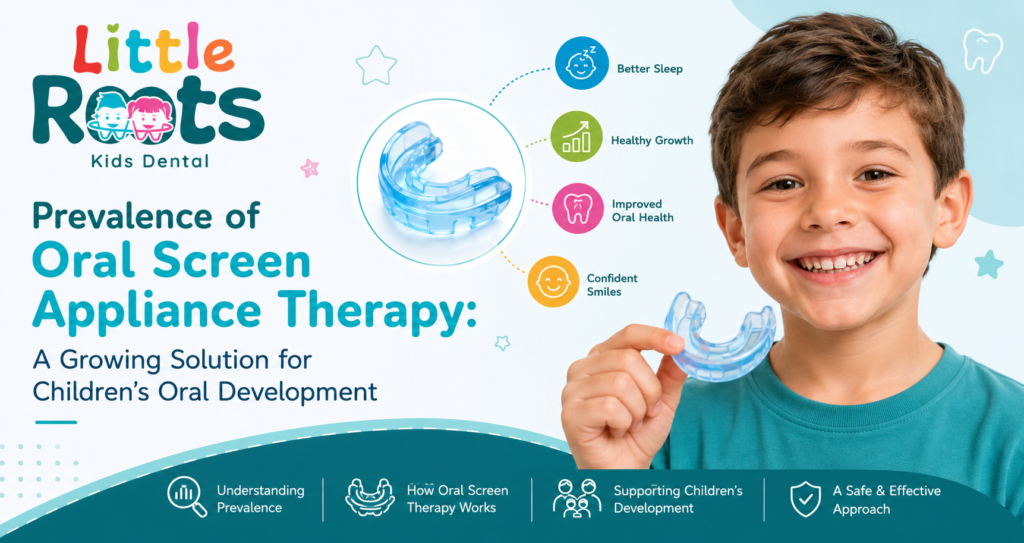
Many childhood oral habits, such as mouth breathing, thumb sucking, tongue thrusting, and incorrect swallowing patterns, can significantly impact facial growth, jaw development, and dental alignment. As awareness of preventive orthodontics continues to grow, the oral screen appliance has emerged as an effective therapeutic solution for correcting harmful oral habits and guiding proper oral muscle function.
Today, pediatric dentists and orthodontists increasingly recommend oral screen appliance therapy as part of early intervention treatments. This approach helps children develop healthier breathing patterns, improved muscle coordination, and better jaw alignment before more serious orthodontic issues develop.
In this article, we’ll explore the prevalence of oral screen appliance therapy, its benefits, treatment duration, and how it contributes to proper jaw development in children.
What Is an Oral Screen Appliance?
An oral screen appliance is a removable orthodontic device designed to improve oral muscle function and eliminate harmful habits affecting facial and dental development.
Typically made from soft or rigid acrylic material, the appliance sits between the lips and teeth, creating a barrier that encourages proper lip closure, nasal breathing, and balanced muscle activity.
The appliance is commonly prescribed for children experiencing:
- Mouth breathing
- Thumb sucking
- Tongue thrusting
- Lip sucking habits
- Weak lip muscles
- Improper swallowing patterns
- Early jaw growth abnormalities
By retraining the muscles around the mouth and face, oral screen appliances help support healthy dental and skeletal development.
Understanding the Growing Prevalence of Oral Screen Appliance Therapy
Over the last decade, pediatric dentists and orthodontists have observed a growing need for interceptive orthodontic treatments. Modern lifestyles, allergies, enlarged adenoids, and prolonged oral habits have contributed to an increase in mouth breathing and muscle dysfunction among children.
Research and clinical observations suggest that oral screen appliance therapy is becoming more common because:
Increased Awareness Among Parents
Parents today are more informed about early orthodontic intervention and preventive dentistry. Rather than waiting until permanent teeth erupt, many seek treatment during the developmental years.
Rising Cases of Mouth Breathing
Mouth breathing has become increasingly prevalent among children due to allergies, nasal obstruction, and respiratory issues. Long-term mouth breathing can affect facial growth, leading to narrow jaws and crowded teeth.
Focus on Functional Orthodontics
Modern orthodontics is shifting from merely straightening teeth to addressing the underlying causes of malocclusion. Oral screen therapy plays a key role in functional treatment approaches.
Early Detection Programs
Routine pediatric dental visits now often include assessments of oral habits, breathing patterns, and facial development, leading to earlier diagnosis and treatment recommendations.
What Is the Use of Oral Screen Appliance?
One of the most common questions parents ask is:
What is the use of oral screen appliance?
The primary purpose of an oral screen appliance is to improve oral muscle balance and encourage healthy oral functions.
Key benefits include:
1. Promotes Nasal Breathing
Children who breathe through their mouths often develop abnormal facial growth patterns. Oral screens encourage lip closure and nasal respiration.
2. Stops Harmful Oral Habits
The appliance acts as a physical reminder that helps children stop habits such as:
- Thumb sucking
- Lip biting
- Tongue thrusting
3. Improves Muscle Function
Proper muscle activity around the lips, cheeks, and tongue is essential for balanced facial growth.
4. Supports Orthodontic Treatment
Correcting muscle dysfunction early can reduce the severity of future orthodontic problems.
5. Encourages Better Jaw Development
Balanced muscle forces contribute to healthier jaw growth and alignment.
How Does Oral Screen Appliance Therapy Work?
Oral screen therapy focuses on myofunctional correction. Instead of moving teeth directly, the appliance retrains muscles responsible for breathing, swallowing, and lip posture.
The treatment process generally includes:
Initial Assessment
The pediatric dentist evaluates:
- Breathing patterns
- Oral habits
- Facial development
- Dental alignment
- Muscle function
Custom Appliance Fabrication
A custom-made oral screen appliance is designed according to the child’s age and oral anatomy.
Regular Monitoring
Periodic dental visits ensure that therapy is progressing as expected and adjustments are made if necessary.
Habit Elimination
As muscle function improves, harmful habits gradually decrease, allowing natural oral development to occur.
How Long Do You Wear an Oral Screen Appliance?
Another frequently searched question is:
How long do you wear an oral screen appliance?
The duration varies depending on the child’s condition, age, and treatment goals.
In most cases:
- Mild habit correction: 3–6 months
- Moderate muscle retraining: 6–12 months
- Complex functional issues: 12–18 months
Children are usually instructed to wear the appliance:
- During sleep
- For several hours during the day
- According to the dentist’s recommendations
Consistency plays a major role in treatment success. Following the prescribed wear schedule helps achieve faster and more predictable results.
What Dental Appliance Is Needed for Jaw Alignment for Kids?
Parents often wonder:
What dental appliance is needed for jaw alignment for kids?
The answer depends on the child’s specific developmental issue.
Several appliances may be recommended, including:
Oral Screen Appliance
Best for correcting oral habits and improving muscle function.
Functional Appliances
Used to guide jaw growth in children with skeletal discrepancies.
Examples include:
- Twin Block Appliance
- Frankel Appliance
- Activator Appliance
Palatal Expanders
Recommended when the upper jaw is too narrow.
Space Maintainers
Used when primary teeth are lost prematurely.
Myofunctional Appliances
Designed to improve tongue posture, swallowing patterns, and facial muscle balance.
A pediatric dentist or orthodontist determines the most suitable appliance after a comprehensive evaluation.
Benefits of Early Oral Screen Appliance Therapy
Early intervention can provide lifelong advantages.
Improved Facial Development
Proper muscle function supports balanced facial growth and attractive facial proportions.
Reduced Need for Extensive Orthodontics
Addressing problems early may reduce the complexity of future braces treatment.
Better Airway Function
Encouraging nasal breathing supports overall health and sleep quality.
Enhanced Speech Development
Correct tongue and lip function can positively influence speech patterns.
Improved Self-Confidence
Children who overcome oral habits often experience better social confidence and oral health.
Signs Your Child May Need an Oral Screen Appliance
Consider consulting a pediatric dentist if your child shows any of the following signs:
- Persistent mouth breathing
- Open-mouth posture
- Thumb sucking beyond age four
- Tongue thrusting
- Frequent dry mouth
- Narrow dental arches
- Speech difficulties
- Improper swallowing habits
- Lip incompetence
Early diagnosis often leads to more effective treatment outcomes.
Why Parents Are Choosing Preventive Orthodontic Care
The trend toward preventive orthodontics continues to grow because parents recognize the value of addressing developmental concerns before they become severe.
Oral screen appliance therapy aligns perfectly with this philosophy by targeting the root causes of many orthodontic and facial growth issues rather than simply treating symptoms later in life.
As awareness increases, more families are seeking early intervention options that promote healthier breathing, proper jaw growth, and improved oral function.
Conclusion
The prevalence of oral screen appliance therapy is increasing as more parents and dental professionals recognize the importance of early intervention in children’s oral development. By addressing mouth breathing, tongue thrusting, thumb sucking, and muscle imbalances, oral screen appliances help guide healthier facial growth and jaw alignment.
If your child exhibits signs of oral habits or developmental concerns, consulting a pediatric dentist can help determine whether oral screen appliance therapy is the right solution. Early treatment often leads to better long-term outcomes, healthier smiles, and reduced orthodontic complications in the future.
At Little Roots Dental Clinic, our pediatric dental specialists focus on preventive and functional treatment approaches that support healthy oral development from an early age.
Read More: