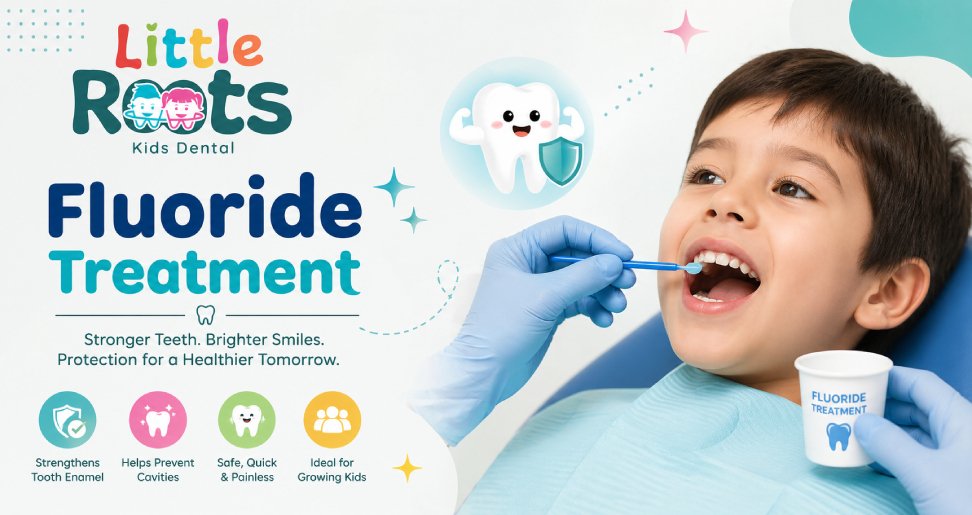
Maintaining strong and healthy teeth goes beyond brushing and flossing. One of the most effective preventive dental procedures available today is fluoride treatment. Widely recommended by dental professionals, this treatment plays a crucial role in protecting teeth from decay and strengthening enamel. In this blog, we will explore everything you need to know about fluoride treatment, including its benefits, procedure, safety, and importance for both children and adults.
What is Fluoride Treatment?
Fluoride treatment is a professional dental procedure that involves applying a concentrated form of fluoride to the teeth. Fluoride is a naturally occurring mineral known for its ability to strengthen tooth enamel and prevent cavities. It helps remineralize weakened enamel and makes teeth more resistant to acid attacks caused by bacteria and sugars in the mouth.
Fluoride can be delivered in various forms such as gel, foam, varnish, or rinse. While small amounts of fluoride are found in toothpaste and drinking water, professional fluoride treatment provides a much higher concentration for enhanced protection.
Why is Fluoride Important for Dental Health?
To understand the value of fluoride treatment, it’s essential to know how tooth decay occurs. Our mouths contain bacteria that feed on sugars and produce acids. These acids gradually wear down the enamel, leading to cavities.
Fluoride helps by:
- Rebuilding weakened enamel (remineralization)
- Slowing down the loss of minerals from teeth
- Preventing the growth of harmful oral bacteria
Regular fluoride exposure ensures long-term dental health and reduces the need for extensive dental procedures.
Fluoride Treatment at Dentist: What to Expect
Getting a fluoride treatment at dentist is a quick, painless, and highly effective process. It is usually done during routine dental check-ups.
Procedure:
- Cleaning the Teeth: The dentist or hygienist will first clean your teeth to remove plaque and debris.
- Application of Fluoride: A concentrated fluoride solution is applied using a brush, tray, or swab.
- Drying Time: The fluoride is left on the teeth for a few minutes to allow proper absorption.
- Post-Treatment Care: Patients are typically advised not to eat or drink for at least 30 minutes.
The entire procedure usually takes less than 10 minutes but provides long-lasting protection.
Fluoride Treatment for Kids: Why It Matters
Fluoride treatment for kids is especially important because children are more prone to cavities due to developing oral hygiene habits and frequent consumption of sugary foods.
Benefits for Children:
- Strengthens developing teeth
- Prevents early childhood cavities
- Protects both baby and permanent teeth
- Encourages better oral health habits
Dentists often recommend fluoride treatments every 3 to 6 months for children at higher risk of tooth decay. It is a safe and effective preventive measure when applied in controlled amounts.
Fluoride Treatment in Water: A Public Health Success
One of the most significant advancements in dental health is fluoride treatment in water, also known as water fluoridation. Many communities add controlled amounts of fluoride to public drinking water to reduce tooth decay at a population level.
Advantages:
- Provides continuous low-level fluoride exposure
- Reduces cavities in both children and adults
- Cost-effective public health measure
- Requires no effort from individuals
Studies have shown that communities with fluoridated water experience significantly lower rates of tooth decay compared to those without it.
Fluoride Treatment Side Effects: Is It Safe?
A common concern among patients is the potential for fluoride treatment side effects. When used appropriately, fluoride treatment is extremely safe. However, excessive fluoride intake over a long period may lead to certain issues.
Possible Side Effects:
- Dental Fluorosis: Mild discoloration of teeth, usually seen in children exposed to high fluoride levels during tooth development
- Allergic Reactions: Rare but may include mild irritation
- Nausea: If large amounts of fluoride are swallowed (unlikely during professional treatment)
Dentists carefully control the dosage during treatment, ensuring patient safety. Following post-treatment instructions minimizes any risks.
Who Should Get Fluoride Treatment?
Fluoride treatment is beneficial for people of all ages, but it is particularly recommended for:
- Children and teenagers
- Individuals with frequent cavities
- Patients with dry mouth conditions
- People with gum disease
- Those wearing braces or dental appliances
Even adults can benefit significantly, especially if they are at higher risk of enamel erosion or decay.
How Often Should You Get Fluoride Treatment?
The frequency of fluoride treatment depends on your oral health condition. Generally:
- Low risk patients: Once every 6–12 months
- High risk patients: Every 3–6 months
- Children: As recommended by the dentist
Your dentist will assess your oral health and suggest a personalized treatment schedule.
Fluoride Treatment vs. Regular Toothpaste
While fluoride toothpaste is essential for daily oral care, it contains a much lower concentration of fluoride compared to professional treatments.
| Feature | Fluoride Toothpaste | Fluoride Treatment |
|---|---|---|
| Fluoride Level | Low | High |
| Usage | Daily | Periodic |
| Application | Self | Professional |
| Effectiveness | Preventive | Stronger protection |
Both are important and work best when used together as part of a complete oral care routine.
Tips to Maximize the Benefits of Fluoride Treatment
To get the most out of your fluoride treatment:
- Avoid eating or drinking for at least 30 minutes after treatment
- Maintain regular brushing with fluoride toothpaste
- Limit sugary and acidic foods
- Visit your dentist regularly
- Encourage children to follow proper oral hygiene habits
Consistency is key to long-term dental health.
Conclusion
Fluoride treatment is a simple yet powerful way to protect your teeth from decay and maintain a healthy smile. Whether it’s through fluoride treatment at dentist, community-based fluoride treatment in water, or specialized fluoride treatment for kids, this preventive approach has proven benefits for people of all ages.
While concerns about fluoride treatment side effects exist, they are minimal and rare when treatments are administered correctly. Overall, fluoride remains one of the most effective tools in modern dentistry for preventing cavities and promoting strong enamel.
If you’re looking to enhance your oral health, consult your dentist about incorporating fluoride treatment into your dental care routine. A small step today can lead to a lifetime of healthy smiles.
Have A Look :-