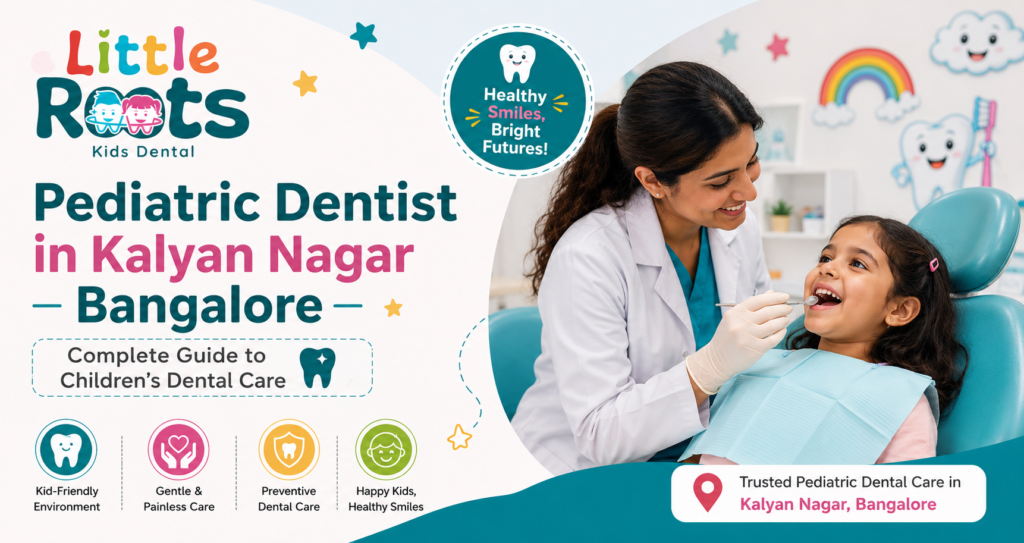
A healthy smile starts in childhood. From the first baby tooth to the arrival of permanent teeth, children need regular dental care to support proper oral development. If you are searching for a pediatric dentist in Kalyan Nagar, choosing a dentist experienced in treating children can help make dental visits comfortable while addressing problems at the right stage.
Children’s dentistry is not only about treating cavities. It also focuses on prevention, oral hygiene, tooth development, dental habits, and educating parents about maintaining their child’s oral health.
What Is a Pediatric Dentist?
A pediatric dentist specializes in the dental care of infants, children, and teenagers. Since children’s teeth and jaws are continuously developing, their dental requirements can differ considerably from those of adults.
A pediatric dentist may provide:
- Routine dental examinations
- Cavity prevention and treatment
- Professional cleaning
- Fluoride treatments when appropriate
- Dental sealants when recommended
- Treatment for damaged or infected baby teeth
- Monitoring of tooth eruption
- Guidance on brushing and oral hygiene
- Advice regarding thumb sucking and pacifier habits
- Evaluation of developing bite and tooth alignment
- Care following dental injuries
The treatment approach depends on the child’s age, dental condition, and individual needs.
Why Is Pediatric Dental Care Important?
Baby teeth may eventually fall out, but they still have important functions. They help children chew food, develop speech, and maintain space for permanent teeth.
Untreated dental problems can cause discomfort and may interfere with eating, sleeping, and everyday activities. Regular visits to a pediatric dentist in Kalyan Nagar allow potential problems to be identified early.
Dental visits also help children become familiar with the clinic environment. When children receive positive experiences from an early age, they may be more comfortable with dental care as they grow.
When Should a Child First Visit the Dentist?
Parents do not need to wait until their child develops several teeth or experiences pain. The American Academy of Pediatric Dentistry recommends that a child should have their first dental visit by their first birthday or within six months after the first tooth appears.
An early appointment can help parents understand:
- How to clean their child’s teeth
- Appropriate fluoride use
- Feeding and snacking habits
- Ways to reduce the risk of cavities
- Normal tooth eruption
- Oral habits that may require monitoring
Early dental guidance can help establish better habits before problems develop.
Common Dental Problems in Children
Cavities and Tooth Decay
Frequent sugary snacks, sweetened beverages, and inadequate brushing can contribute to childhood cavities. Early decay may not always cause pain, making routine dental examinations important.
Toothache and Sensitivity
Pain while eating, drinking, brushing, or sleeping may indicate decay, infection, trauma, or another dental concern. Persistent discomfort should be evaluated by a dentist.
Dental Injuries
Children can damage their teeth during sports, playing, or accidental falls. A chipped, loose, displaced, or injured tooth should be professionally assessed.
Early Loss of Baby Teeth
Primary teeth help maintain space for permanent teeth. If a baby tooth is lost earlier than expected, the dentist may recommend monitoring or appropriate treatment depending on the situation.
Thumb Sucking and Pacifier Use
Some oral habits are normal during early childhood. However, prolonged habits may influence tooth position or jaw development in certain children. A pediatric dentist can advise parents according to the child’s age and development.
Signs Your Child May Need a Dental Check-Up
Parents should consider arranging an appointment if their child experiences:
- Frequent toothache
- Swollen or bleeding gums
- Visible holes or dark spots on teeth
- White or brown marks
- Persistent bad breath
- Difficulty chewing
- Sensitivity to hot or cold foods
- Facial or gum swelling
- A damaged tooth after an accident
It is also important to remember that dental problems do not always produce obvious symptoms. Preventive check-ups can help detect concerns before they become more serious.
How Can Parents Prevent Cavities?
Professional dental care works best when combined with good habits at home.
Brush Twice a Day
Help your child establish a regular brushing routine using an age-appropriate fluoride toothpaste. Younger children may need parental supervision or assistance.
Reduce Frequent Sugar Exposure
Limit frequent consumption of sweets, chocolates, sugary drinks, and other foods that can increase the risk of tooth decay.
Encourage Water
Water is a good everyday drink, particularly between meals. Limiting sugary beverages can support better oral health.
Make Dental Hygiene Consistent
Children learn through repetition. Brushing at consistent times every day helps make oral hygiene a normal part of their routine.
Attend Regular Dental Visits
Routine check-ups allow the dentist to monitor teeth as they develop and provide preventive advice based on the child’s needs.
What Happens During a Pediatric Dental Visit?
A child’s appointment is generally adapted to their age and comfort level. The dentist may first speak with the parent and child before examining the mouth.
The examination may include checking:
- Teeth and gums
- Tooth eruption
- Signs of decay
- Oral hygiene
- Bite and alignment
- Jaw development
- Oral habits
Parents can also discuss concerns about brushing, diet, tooth pain, dental injuries, or changes they have noticed.
If treatment is necessary, the dentist can explain the condition and recommend an appropriate approach.
Choosing a Pediatric Dentist in Kalyan Nagar
Finding a nearby dentist is convenient, but parents should also consider whether the clinic is suitable for children.
When choosing a pediatric dentist in Kalyan Nagar, look for:
- Experience treating children
- A welcoming environment
- Clear communication with parents
- Preventive dental services
- Age-appropriate treatment
- Attention to children’s comfort
- Proper hygiene and safety practices
- Convenient access for regular appointments
A positive experience can help your child develop a healthier attitude toward dental visits.
FAQs:
At what age should children visit a dentist?
A child should ideally have their first dental visit by their first birthday or within six months of the first tooth appearing.
Are baby teeth important?
Yes. Baby teeth support chewing and speech and help preserve space for permanent teeth.
How often should my child visit the dentist?
The frequency depends on your child’s age, oral health, dental history, and risk factors. Your dentist can recommend a suitable schedule.
Should I take my child to the dentist if there is no pain?
Yes. Preventive visits are important because some cavities and developmental concerns may not produce noticeable symptoms.
How can I reduce my child’s fear of the dentist?
Use positive, simple language and avoid frightening descriptions of dental procedures. Regular visits from an early age can also help children become familiar with dental care.
Give Your Child a Healthy Start
Children’s oral health needs attention at every stage of growth. Regular check-ups, proper brushing, healthy eating habits, and timely professional care can help protect developing teeth and establish better lifelong habits.
If you are looking for a pediatric dentist in Kalyan Nagar, Little Roots Kids Dental Clinic focuses on providing child-friendly dental care while helping parents understand their child’s changing oral health needs.
Whether your child needs a routine examination, preventive care, or an evaluation for tooth pain or dental injury, timely professional guidance can make a difference.
Looking for a pediatric dentist in Kalyan Nagar? Contact Little Roots Kids Dental Clinic to schedule a dental consultation for your child and take a proactive step toward a healthier smile.
Read More: